
At sea, the definition of luxury is changing. For a growing number of travelers, bigger is no longer automatically better.
For decades, the cruise industry has been defined by scale. Ships became larger, entertainment became more elaborate, and dining options multiplied, as water parks, theaters, shopping districts, nightlife, private clubs, and increasingly ambitious attractions transformed the modern cruise ship into a destination of its own. There is something remarkable about that kind of abundance. For travelers who want energy, entertainment, and an extraordinary number of choices within one vacation, the mega-ship has perfected an experience few other forms of travel can replicate.
But another idea of luxury is emerging at sea, one that is quieter, more intimate, and more connected to the destination. Instead of asking how many restaurants, attractions, or activities can fit onto one ship, some luxury travelers are beginning to ask different questions: how much space will I have, how personal will the service feel, where can the ship take me, how much time will I actually spend experiencing the destination, and perhaps most importantly, how do I want to feel while I am there?
The answer is helping fuel interest in smaller luxury ships and yacht-style voyages. The appeal is not simply about traveling on a smaller vessel. It reflects a larger evolution taking place throughout luxury travel, away from excess for the sake of excess and toward privacy, personalization, access, time, and experiences that feel intentionally designed.
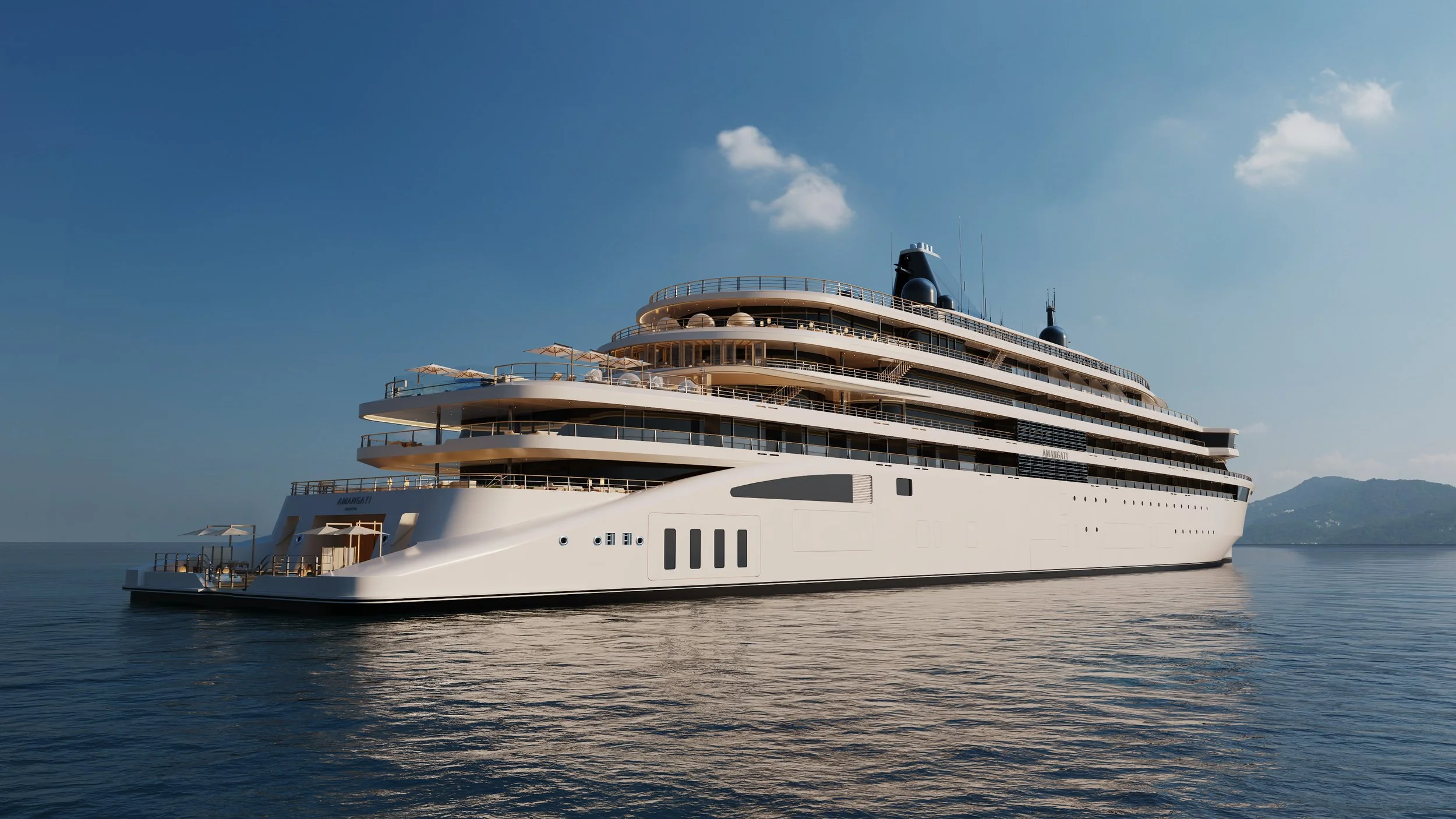
Amangati, Aman at Sea
The New Definition of Luxury at Sea
Luxury has never had one universal definition. For one traveler, it may mean having dozens of restaurants and entertainment options available at any hour. For another, it may mean waking to silence, opening the door to a private terrace, and watching a Mediterranean harbor come into view. Neither experience is inherently more luxurious; they simply represent different ideas of what luxury should provide.
Increasingly, the luxury conversation is moving beyond abundance alone. Space matters, privacy matters, service matters, and time matters, and the ability to experience a destination without constantly navigating crowds, schedules, and logistics can matter just as much as the suite itself.
This shift is visible beyond traditional luxury cruising. Expedition and exploration cruising, another part of the small-ship world, is expanding rapidly, with the Cruise Lines International Association reporting that global capacity for expedition and exploration ships is expected to increase 150% between 2019 and 2029, including ships currently on order. The larger cruise industry is thriving as well: global cruise passenger volume reached 37.2 million in 2025, according to CLIA, demonstrating that travelers are not moving away from cruising. They are gaining more ways to experience it.
The story, then, is not the decline of the mega-ship. It is the expansion of what a journey at sea can be.
More Space, Fewer People
One of the first differences travelers notice aboard a smaller luxury vessel is not necessarily something they can photograph. It is space, not simply the square footage of a suite, but the feeling of moving through the day without constantly encountering crowds. Breakfast can feel unhurried, a pool deck can feel peaceful rather than energetic, and a lounge can become somewhere to sit for an hour with a book rather than simply another venue to visit. Embarking and returning to the ship can feel less like moving through a large system, and the atmosphere changes when fewer people are sharing it.
This does not mean larger ships cannot provide privacy. Many now offer private suite enclaves, exclusive restaurants, and quieter spaces designed specifically for guests seeking separation from the activity elsewhere onboard. But on a smaller luxury ship, intimacy can become part of the character of the entire vessel rather than something travelers retreat into. For some travelers, particularly those whose everyday lives are already filled with meetings, notifications, schedules, and constant stimulation, that difference can feel surprisingly valuable.
Sometimes luxury is not having more around you. It is having more room around you.
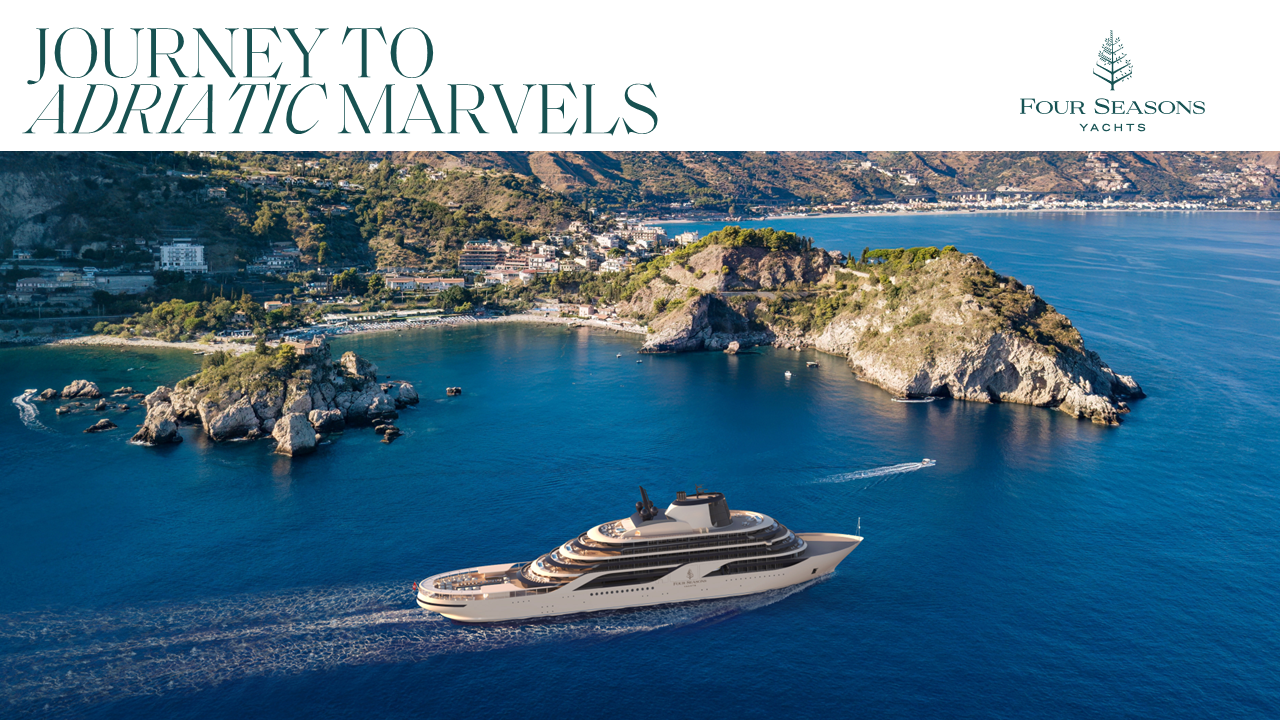
Four Seasons Yachts
Service That Feels Personal
Exceptional service should be expected at the luxury level. What changes in a more intimate environment is the opportunity for recognition. There is a difference between someone providing excellent service and someone beginning to understand how you prefer to travel: the table you gravitate toward, how you take your coffee, whether you enjoy conversation in the morning or prefer quiet, the dietary preference that does not need to be explained repeatedly, the small routines that gradually become familiar.
These moments are rarely dramatic enough to appear in a brochure, yet they can determine whether hospitality feels transactional or personal. The finest service does not constantly remind travelers that they are being served. It allows them to feel understood. And when the environment is designed around fewer guests, there is simply more opportunity for that recognition to develop naturally throughout the voyage.
Smaller Ports, More Interesting Itineraries
The strongest argument for smaller ships may have very little to do with what is onboard. It is where they can go. Ship size, draft, port infrastructure, and local restrictions all influence where a vessel can dock or anchor, and smaller vessels can sometimes access harbors and ports that cannot accommodate very large cruise ships.

Explora Pool Sunbed
That distinction deserves precision: smaller does not automatically mean every itinerary will be more exclusive, nor does it mean every small vessel can enter every intimate harbor. But size can expand the possibilities. In regions such as the Mediterranean, where geography is filled with islands, coastal communities, and smaller ports, the vessel itself can influence how a traveler experiences the destination. The itinerary may combine celebrated cities with quieter coastal stops, a day might begin somewhere internationally recognizable and end in a harbor that feels entirely different, and suddenly the cruise becomes less about moving between major cruise terminals and more about following a coastline.
The privilege is not always entering somewhere no one else can go. Sometimes it is simply arriving differently.
A Different Relationship With the Destination
Mega-ships have become extraordinarily good at being destinations themselves, and for many travelers, that is precisely the appeal: there is always another restaurant to try, another show to see, another pool, activity, bar, or experience waiting onboard.
Yacht-style travel can reverse that relationship. The ship remains beautiful and important, but it does not necessarily need to compete with the places outside it. Instead, it becomes a sophisticated home between destinations: you wake somewhere new, have breakfast overlooking the water, go ashore, return for a late lunch or an afternoon by the pool, watch the coastline disappear over dinner, sleep, and wake somewhere else.
There is an elegant simplicity to that rhythm. No repeated hotel checkouts, no constant packing and unpacking, no airport every few days, no changing accommodations simply because the itinerary has moved to another city. Your suite moves with you. The transportation disappears into the journey. For travelers accustomed to carefully planned multi-stop vacations, that may be one of yacht cruising's most understated luxuries.
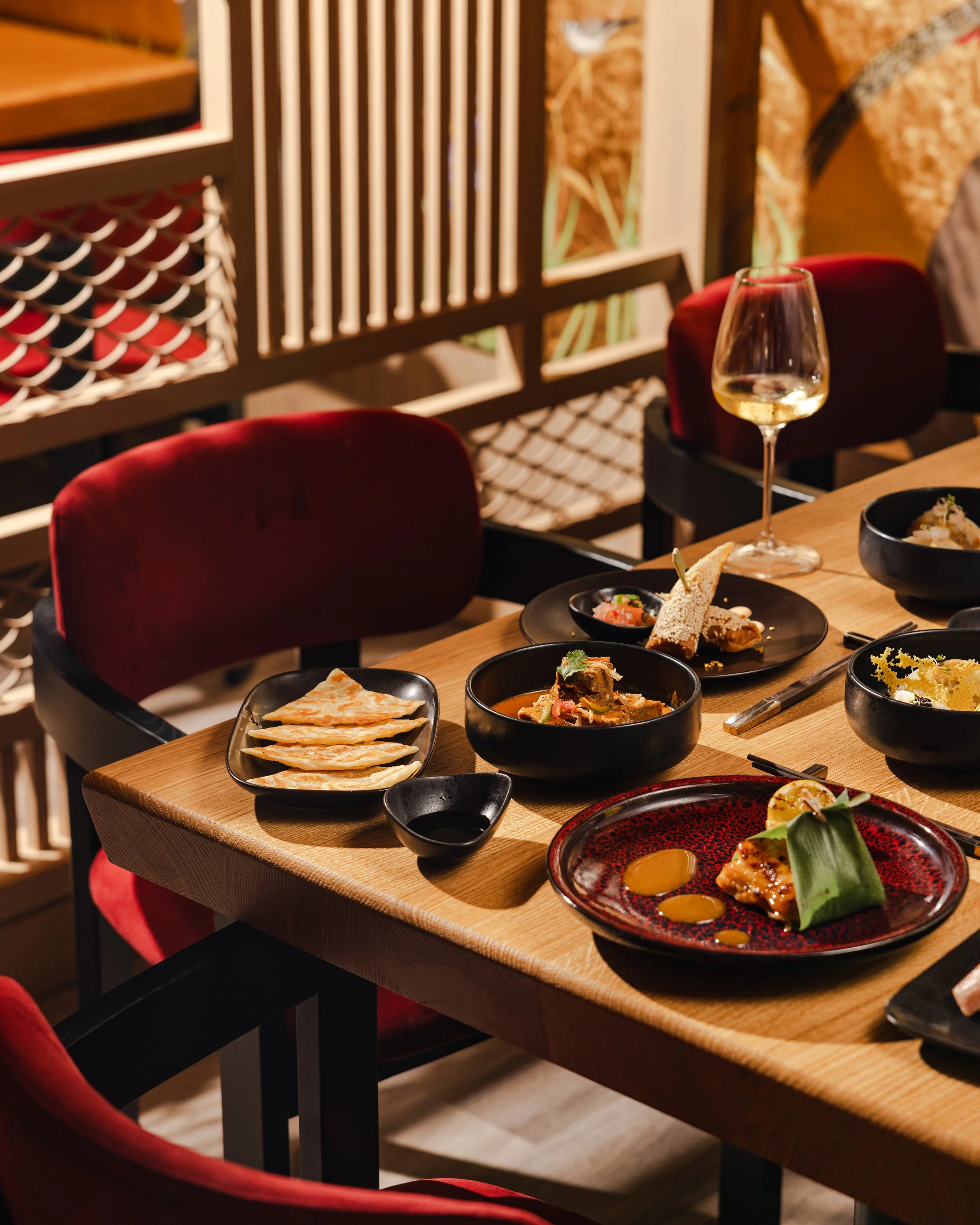
Sakura Restaurant On board of Explora Journeys
Dining Is Becoming Part of the Luxury Experience
There was a time when cruise dining was often discussed primarily in terms of abundance. Today, luxury travelers increasingly evaluate it with the same discernment they bring to restaurants and hotels on land: the quality of ingredients, the atmosphere of the room, the pacing of dinner, the wine program, the creativity of the menu, and the ability to choose between an elegant evening and something relaxed. And, perhaps most importantly, whether dining feels like an experience rather than a production designed to serve thousands of people efficiently.
On a smaller luxury vessel, individual restaurants can feel more intimate, and dinner can become part of the rhythm of the evening rather than simply another scheduled activity. That matters because food is no longer peripheral to the luxury travel experience. For many travelers, it is one of the reasons to travel at all.
Why the Experience Can Feel More Like a Luxury Hotel Than a Cruise Ship
Perhaps the most interesting development in luxury cruising is the blurring of categories. Some newer luxury ships borrow as much from sophisticated resorts and residential design as they do from traditional cruising: suites feel less nautical, public spaces become lounges rather than enormous atriums, wellness is integrated into the experience, restaurants have distinct identities, and outdoor spaces are designed for lingering rather than simply accommodating as many guests as possible. And that can appeal to a particularly important traveler: the person who never thought they liked cruises.
THE VOYARD PERSPECTIVE
My first cruise was when I was 18, traveling with my parents. What I remember most was how busy everything felt. There were so many people, so much activity, and so much happening around me that when the trip ended, I had very little interest in cruising again. For years, I simply assumed cruising was not for me.
Then I sailed with Explora Journeys, and my perception of traveling at sea changed. What surprised me most was how different the experience felt from the cruising I remembered. It reminded me less of being aboard a traditional cruise ship and more of checking into a sophisticated luxury hotel that happened to move between destinations. There was space, and there was calm. Dining became one of the highlights of the journey, I loved how comfortable my bed was, and I appreciated details such as different bedding options and thoughtful non-alcoholic choices.
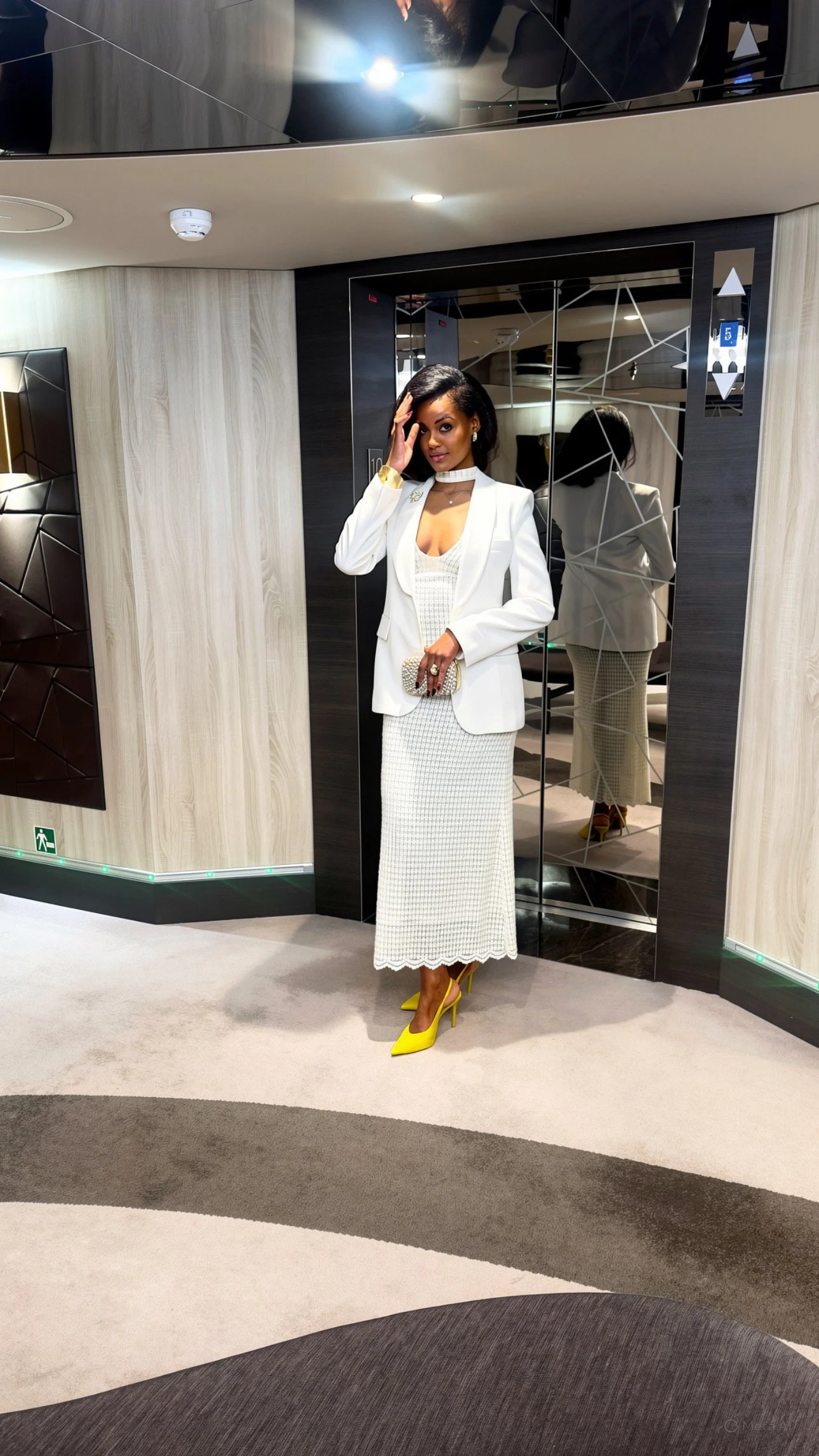
First-hand Explora Experience
But what stayed with me most was not one amenity. It was the feeling. I did not feel as though I had to constantly participate in something simply because it was happening. I could have an exceptional meal, spend time quietly looking at the ocean, explore a destination, return to the ship, and allow the day to unfold naturally.
Explora Journeys changed what cruising meant to me. It made me realize something I had never considered after that first experience at 18: perhaps I never disliked cruising. I simply had not experienced the kind of cruising that suited the way I wanted to travel. That distinction is now something I think about when helping travelers consider a journey at sea. The question is not simply, do you like cruises? The better question may be: what kind of experience at sea feels like you?
A Closer Look at Explora Journeys
Explora Journeys offers an interesting example of this new generation of luxury ocean travel. Rather than positioning the experience entirely around traditional cruising, the brand describes its ships through the language of a private-yacht-inspired experience and "Homes at Sea." EXPLORA I currently has 456 ocean-front suites, five heated pools, six restaurants, and 12 bars and lounges, with a published guest-to-host ratio of 1.25:1. EXPLORA III, now sailing, has 461 ocean-front suites and seven restaurants.
The numbers matter only to a point. What is more interesting is what the design is trying to accomplish: providing enough choice that travelers do not feel restricted by a smaller luxury environment while maintaining the sense of space and intimacy that attracts travelers to the category in the first place. That balance is important, because luxury travelers choosing a smaller ship are not necessarily asking for fewer experiences. They may simply want fewer experiences competing for their attention.
Yacht Cruise vs. Mega-Ship: Which Is Right for You?
Choosing between a yacht-style luxury voyage and a mega-ship should not become a competition over which category is objectively better. It should begin with the traveler.
A smaller yacht-style voyage may be particularly appealing if you value a quieter atmosphere, fewer guests, destination-focused itineraries, personalized service, and an environment that feels closer to a luxury hotel at sea. A mega-ship may be the stronger choice if you love extensive entertainment, a huge variety of restaurants, energetic nightlife, family activities, large-scale attractions, and the excitement of having an enormous number of things to do without leaving the ship. Families traveling across several generations may especially appreciate the breadth of activities available on larger ships, while couples seeking quiet, destination immersion, and a slower rhythm may gravitate toward smaller vessels. But those are not rules. The right ship is the one that matches the people actually taking the journey.
And even within these categories, the experience can vary considerably from one cruise line and vessel to another. That is precisely why choosing based solely on photographs, star ratings, or price can be misleading.
Is a Smaller Yacht Cruise Worth It?
That depends on what you believe you are paying for. If your measure of value is the greatest possible number of restaurants, attractions, entertainment venues, and activities for your vacation investment, a mega-ship may provide extraordinary value. If your measure of value is space, service, privacy, destination access, and the ability to move between places with less friction, the equation changes.
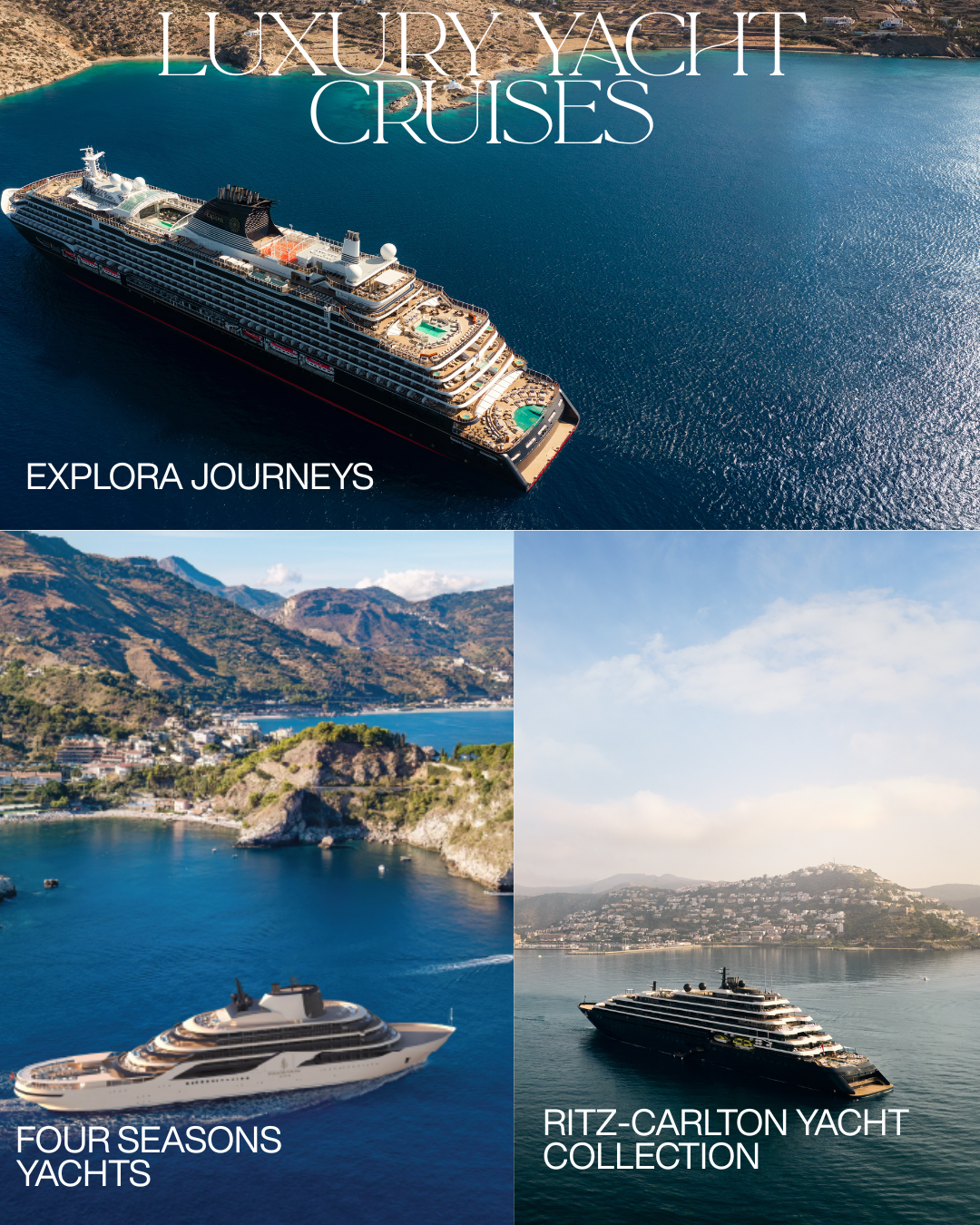
Is a Smaller Yacht Cruise Worth It?
Luxury is personal. One traveler wants endless possibility, another wants someone to narrow those possibilities down. One wants the energy of thousands of people having a wonderful time together, another wants to hear the water from their terrace. One wants the ship to be the destination, another wants the ship to quietly carry them toward it. Neither traveler is wrong, but understanding which traveler you are can completely change the voyage you choose.
The Future of Luxury at Sea May Feel More Personal
Cruising itself is not becoming smaller. The industry is expanding, and some of the world's largest ships continue to attract enormous demand. At the same time, the growth of luxury, small-ship, and exploration-oriented cruising reveals another appetite: travelers want to experience more of the world without necessarily surrounding themselves with more. They want beautiful accommodations, but also meaningful destinations; exceptional dining, but also quiet mornings; attentive service, but also independence; access, but not simply for the sake of exclusivity; and enough space in the itinerary to actually experience where they have traveled so far to see.
Perhaps that is why smaller yacht voyages feel so relevant to the way luxury itself is changing. The future of luxury travel may not be about adding endlessly. Sometimes, it is about removing everything that distracts from why we wanted to travel in the first place. And sometimes, seeing more of the world begins with traveling with fewer people.
Considering a Journey at Sea?
Choosing between luxury yacht and small-ship experiences often comes down to far more than itinerary alone. Voyard Luxury Travel helps travelers compare the ships, suites, destinations, and overall experience to find the journey that fits the way they actually want to travel.
More from Voyard Travel Stories.
Frequently Asked Questions
Is a small yacht cruise better than a mega-ship cruise? Neither is objectively better. A small yacht cruise suits travelers who value space, privacy, and destination access. A mega-ship suits travelers who want extensive entertainment, dining variety, and onboard activity. The right choice depends on the traveler, not the ship.
Is a smaller luxury yacht cruise more expensive than a mega-ship? Generally, yes, on a per-night basis, though small yacht fares are typically all-inclusive of dining, premium beverages, gratuities, and Wi-Fi, which narrows the real-world gap once add-ons on larger ships are factored in.
What is the guest-to-host ratio on Explora Journeys ships? EXPLORA I sails with a published guest-to-host ratio of 1.25:1, well above the roughly 2.25 to 2.75 guests per crew member typical of mainstream mega-ships.
Are small luxury yacht cruises a good fit for families? They can be, especially for multigenerational travel focused on a shared destination experience. Families who want extensive kids' programming, water parks, and a wide range of onboard entertainment often still prefer a larger ship. It comes down to what the family wants the trip to accomplish.
Which cruise lines are considered leaders in small-ship luxury cruising in 2026? Explora Journeys, Ritz-Carlton Yacht Collection, Seabourn, Silversea, and SeaDream Yacht Club are among the category's most recognized names, with global cruise passenger volume overall reaching a record 37.2 million in 2025, according to CLIA.
How do I decide which type of cruise is right for me? Start with how you want to feel on the trip, not just where you want to go. Voyard can walk through itinerary, pace, and travel party to match you with the ship and cruise line that actually fits.